Introduction to Banana Chips
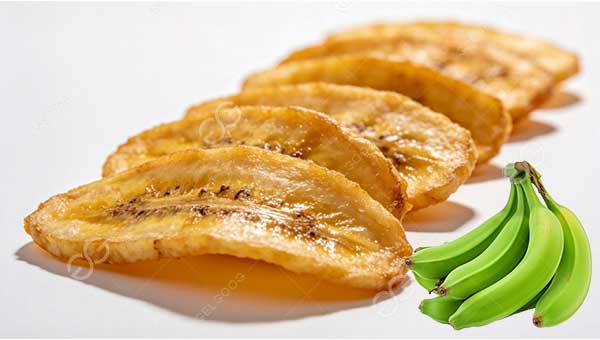
Banana chips are a type of snack food made primarily from fresh bananas. They are characterized by their crispy texture, convenience, and ease of storage. Depending on the processing method and intended product positioning, banana chips can be categorized into various types, such as fried, dried, or freeze-dried. These different varieties offer distinct differences in texture, color, moisture content, and nutritional retention, catering to the diverse needs of various consumer groups.
Banana chips serve not only as an everyday casual snack but also find applications in breakfast cereals, nut mixes, baked goods, and as food ingredients. As consumer demand for natural, convenient, and diverse snack options continues to grow, banana chips have evolved from a traditional local specialty into a processed food product with significant commercial potential.
Development Trends in the Banana Chips Industry
1. Market Demand Shifting Toward Health-Consciousness and Diversification
The concept of healthy eating is influencing the snack food market. An increasing number of consumers are paying closer attention to ingredients, fat content, sugar levels, and nutritional profiles. Consequently, products such as low-oil, naturally dried, and freeze-dried banana chips show significant development potential.
2. Processing Evolving Toward Greater Refinement and Higher Added Value
While the traditional banana chips market has primarily consisted of basic deep-fried products, modern processing enterprises are exploring a wider range of product types. By adjusting factors such as the ripeness of the raw fruit, slice thickness, pre-treatment methods, and processing temperatures, it is possible to produce banana chips with varying colors, textures, and mouthfeels.
3. Increasing Utilization Rates of Banana Raw Materials
Bananas are characterized by a short ripening cycle and stringent storage requirements. If they are not processed or sold in a timely manner, they are prone to over-ripening and spoilage. Consequently, establishing banana chip processing plants has become a key strategy for improving the utilization of raw banana supplies in certain production regions.
4. Shift Toward Automation in Food Processing
As labor costs rise and food safety standards become more rigorous, traditional manual processing methods are increasingly unable to meet the production demands of large-scale food manufacturing facilities. Automated equipment—covering processes such as washing, peeling, slicing, frying, de-oiling, drying, and packaging—will see increasingly widespread adoption.
The Role of Banana Chips Production Lines in Industry Development
The growth of the banana chips industry relies on specialized production equipment. For enterprises planning to establish a banana chips processing plant or expand existing production capacity, a banana chips production line serves not only as a tool to boost efficiency but also as a vital foundation for achieving product standardization and scaling operations.
First, automated production lines enhance processing efficiency. Equipment for mechanized washing, slicing, and continuous frying reduces the need for manual labor and enables continuous production, helping businesses meet order demands from large supermarket chains, food distributors, and export markets.
Second, specialized equipment helps ensure consistent product quality. By precisely controlling slice thickness, frying temperature, drying duration, and final moisture content, manufacturers can minimize quality variations and improve the color, crispness, and stability of the banana chips.
Furthermore, customized production lines enable enterprises to adapt to diverse market requirements.Overall, the banana chip industry is trending toward healthier, more diverse, large-scale, and automated operations. Evolving consumer demand creates opportunities for product innovation. For investors looking to enter the banana chip processing sector, selecting the appropriate processing methods and equipment configurations—tailored to their target markets—will help establish a more competitive banana chips production business.