Banana chips: a popular, crispy snack.
Banana chips are a type of snack made primarily from fresh bananas; through processing methods such as slicing, frying, or dehydration, they acquire a crispy texture and a sweet flavor. Depending on the processing technique, they can be categorized into varieties such as fried, dried, and freeze-dried banana chips, catering to diverse consumer needs and market segments.
However, banana chips are susceptible to factors such as air, moisture, and temperature during storage and transportation. Absorbing moisture can cause them to lose their crisp texture, while lipid oxidation may lead to the development of off-flavors. Therefore, selecting appropriate packaging materials and methods is crucial for maintaining the quality of the banana chips.
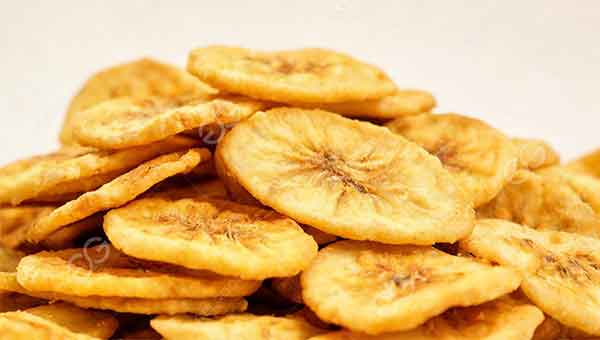
Packaging is an important step in the banana chips processing procedure:
The processing of banana chips typically involves steps such as banana selection, washing, peeling, slicing, frying or drying, cooling, seasoning, and packaging. Among these, packaging is not only the final critical step in the production process but also a key link connecting food processing, transportation, and sales.
After frying or drying, banana chips should be thoroughly cooled before being packaged according to product specifications. If the chips are not cooled, condensation may form inside the packaging, increasing the risk of moisture absorption and quality deterioration. Proper packaging minimizes moisture ingress, oxygen exposure, and external contamination, thereby preserving the crispness of the banana chips.
Effect of packaging on banana chips shelf life:
1. Blocking moisture to maintain the crispy texture of banana chips
Moisture is a key factor affecting the shelf life of banana chips. Although banana chips have a low moisture content, if the packaging material lacks adequate water vapor barrier properties, the product can still absorb moisture from the air during storage.
When banana chips absorb excessive moisture, their texture may soften and their crispness diminish, thereby compromising the consumer experience. Under certain conditions, increased moisture levels can also raise the risk of microbial growth.
2. Minimizing oxygen exposure delays the oxidation of fats and oils
Fried banana chips typically contain a certain amount of fat. Prolonged exposure to oxygen can cause the fat to oxidize, leading to off-flavors in the product. Packaging serves as an effective barrier against oxygen; additionally, nitrogen flushing can reduce the oxygen content inside the package.
Key Equipment: Banana Chips Packaging Machine
The banana chips packaging machine is a crucial component of the banana chips production line, primarily used to weigh, bag, and seal processed banana chips according to preset weights or packaging specifications. Selecting the right packaging machine is vital for food processing enterprises aiming to expand production capacity, improve packaging consistency, or enter mass-market sales.
A suitable banana chips packaging system typically offers the following advantages:
First, increase packaging efficiency. Automated equipment can continuously perform operations such as weighing, filling, and sealing, making it suitable for commercial banana chip production.
Second, improve packaging consistency. Consistent weighing and sealing processes help control the weight and packaging quality of each bag.
Third, align with freshness-preservation packaging solutions. For banana chips requiring reduced oxidation risk, evaluate whether the packaging machine supports features like nitrogen flushing and verify the actual results based on product characteristics.Packaging is a critical factor influencing the shelf life of banana chips. By judiciously selecting packaging materials, controlling the packaging environment, ensuring seal integrity, and employing appropriate preservation techniques tailored to the product’s needs, manufacturers can better maintain the chips’ crisp texture, flavor, and appearance, thereby minimizing quality loss during storage and transportation.