Fried banana chips are a snack food made primarily from fresh bananas through processes such as slicing, frying, de-oiling, and seasoning. Compared to fresh bananas, banana chips offer a crispy texture and rich flavor, and are easy to store and transport; they can be enjoyed as a standalone snack or used in nut mixes, breakfast cereals, baking ingredients, and snack assortments. So, how are banana chips made step by step?
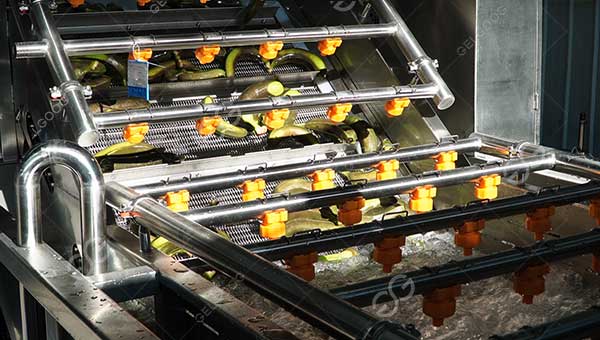
Factory processing steps for banana chips:
1. Peeling and sorting
The bananas first undergo a peeling process; once peeled, they require further inspection to remove any remaining peel and any substandard sections.
2. Banana Slicing
The prepared bananas are processed through a slicer into slices of uniform thickness. The slice thickness directly affects the frying speed, final crispness, and product appearance.
3. Draining or Pre-treatment
Once slicing is complete, pre-treatment steps can be implemented based on the characteristics of the bananas and the product formulation. The primary objective is to optimize the condition of the banana slices prior to frying and to minimize the impact of surface moisture on the frying process. Specific processing parameters should be adjusted according to the banana variety and the requirements for the finished product.
4. Continuous Frying
After undergoing preliminary processing, the banana slices enter the fryer machine. The equipment controls the frying oil temperature and the conveyor speed, ensuring the slices are fried under relatively stable conditions. Precise control of temperature and time is crucial during the frying process. In actual production, parameters should be adjusted based on slice thickness, banana ripeness, and the desired texture.
5. De-oiling
After frying, a certain amount of oil adheres to the surface of the banana chips; therefore, they must pass through de-oiling equipment—using methods such as centrifugation—to remove excess oil and effectively control the oil content of the chips.
Precautions during processing:
First, the consistency of the banana raw material must be controlled. Bananas at different stages of ripeness vary in terms of firmness, moisture content, and sugar levels—factors that directly affect the slicing and frying results; therefore, raw material selection cannot rely solely on visual appearance.
Secondly, the slice thickness must remain consistent. If there is significant variation in thickness within the same batch, uneven frying results are likely: some pieces may become overly browned while others fail to achieve the desired crispness.
Third, the frying temperature must not remain uncontrolled for extended periods. Oil temperature should be continuously monitored during production and adjusted promptly based on product color, crispness, and production speed. Attention must also be paid to the condition of the frying oil to prevent a decline in quality resulting from prolonged use.
What factors need to be considered when setting up a banana chips processing plant?
When establishing a banana chips processing plant, one cannot simply focus on purchasing processing equipment; comprehensive planning is required, covering aspects such as raw material supply, production capacity, facility layout, energy infrastructure, sanitary conditions, and packaging and sales.