Colombia is a major producer of plantains in Latin America; these serve not only as a staple in the local diet but also hold significant value for processing and commercial use. For plantain growers, a key challenge in maximizing industry returns is how to handle large volumes of fresh fruit during peak harvest seasons, minimize raw material losses, and enhance product value-add.
Recently, a plantain grower from Colombia inquired about production equipment for plantain chips, aiming to establish a processing plant to convert plantation-grown plantains into chips for distribution in local markets and through broader sales channels.
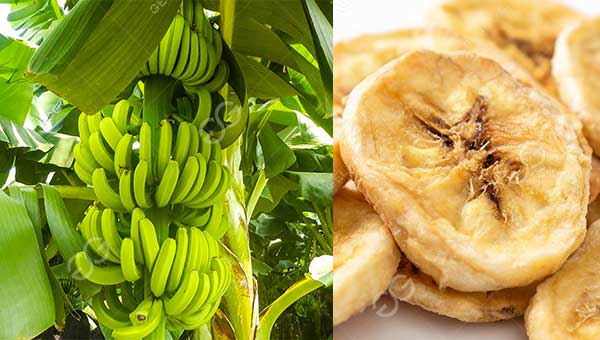
The client owns plantain plantations and enjoys a stable supply of raw material. Under normal circumstances, the plantations provide a steady flow of fresh plantains to the market; however, the peak harvest season—which sees a surge in market supply—brings new challenges. The sudden increase in volume often drives down selling prices. Furthermore, if the fruit is not sold promptly, continued ripening can lead to quality deterioration and spoilage, resulting in significant raw material losses.
Consequently, the client aims to shift away from the previous business model that relied primarily on selling fresh fruit; they plan to add a food processing stage to their operations—specifically by establishing a plantain chip processing plant—to extend the value chain and ensure that a larger volume of plantains can enter the processing phase promptly after harvest.
Compared to selling fresh plantains directly, plantain chips offer a longer shelf life and are more convenient to store, transport, and sell. Through processes such as washing, peeling, slicing, frying, de-oiling, seasoning, and packaging, fresh plantains can be transformed into higher-value snack foods. For this Colombian client, establishing a plantain chip factory represents more than just adding production equipment; it signifies the creation of a complete industry chain spanning cultivation, processing, and sales.
After gaining an understanding of the client’s planting scale, raw material supply, planned production capacity, and investment budget, our engineering team engaged in detailed discussions with the client and designed a plantain chip processing solution tailored to their specific facility requirements.
Given that the project is currently in the construction phase, we also aligned the equipment specifications and production processes with the client’s actual production goals.
The production of plantain chips typically involves a series of stages: raw material handling, washing, peeling, slicing, rinsing, frying, de-oiling, seasoning, cooling, and packaging. Based on the client’s production capacity requirements, these processes can be seamlessly integrated, enabling the transformation of fresh plantains into finished chips as they move along the production line.For this client in Colombia, the value of the plantain chips project lies not only in selling a new food product but also in transforming the traditional plantain sales model. This approach fosters closer integration between cultivation, processing, and sales, while laying the groundwork for the client to expand production capacity and develop a wider range of value-added plantain products in the future.