We recently entered into a partnership with a client from Bolivia for a plantain flour production project, providing them with a complete processing solution.
Bolivia possesses abundant plantain cultivation resources and is a major producer in Latin America. The majority of the locally grown plantains are destined for export. However, factors such as seasonal supply fluctuations, transportation distances, and the limited shelf life of fresh fruit make the crop susceptible to post-harvest losses; in particular, during peak harvest periods, some produce cannot be sold in time, resulting in a decline in economic value.
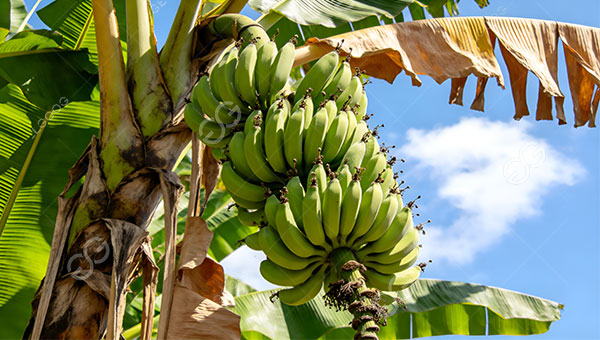
In recent years, the Bolivian government has actively promoted the upgrading of the agricultural sector, encouraging enterprises to build facilities for the deep processing of agricultural products. This initiative transforms traditional agricultural raw materials into industrial and food ingredients that are more stable, easier to store, and more convenient to transport. Processing not only extends the product’s shelf life but also opens up access to a wider range of markets, facilitating the transition from primary agricultural commodities to high-value-added products. Furthermore, relevant agricultural processing projects have received policy support, creating a favorable environment for local enterprises to invest in the deep processing of plantains.
It is against this market backdrop that the client plans to build a modern plantain flour processing facility, aiming to leverage abundant local plantain resources to produce standardized, high-quality plantain flour products.
During the initial project discussions, the client clearly outlined several core requirements:
First, the production line needed to support substantial processing capacity. Based on the client’s future market plans, the project required the line to process approximately one ton of fresh plantains per hour to ensure consistent production efficiency and meet commercial sales demands.
Second, the client sought to maximize the utilization of the raw plantain material. In traditional processing, plantain peels are typically treated as waste, which not only places a burden on environmental protection efforts but also results in resource wastage. Consequently, the client wanted to explore secondary processing options for the peels generated during production, thereby transforming waste into a usable resource.
To meet the client’s needs, we developed a comprehensive plan for the plantain flour production process and designed a complete processing solution that takes into account local raw material characteristics, production capacity requirements, and future expansion needs.
The plantain flour production line comprises key stages such as washing, peeling, slicing, drying, milling, sifting, and packaging.
Beyond the processing of plantain pulp, a key highlight of this project is the comprehensive utilization strategy for plantain peels. Under traditional processing methods, these peels are typically discarded, taking up disposal space and potentially causing environmental pollution. To address this, we have developed a resource-recovery plan for the peels; with appropriate processing, they can be converted into raw materials for animal feed and organic fertilizer, thereby enhancing the economic value of the entire production chain.The collaboration on this Bolivian plantain flour project serves as a prime example of integrating agricultural resources with modern food processing technology. By transforming fresh plantains into high-value powdered products, the client has not only overcome constraints related to the storage and sale of fresh fruit but has also expanded the market for product applications.