Banana Process Machines Supplier

A Trusted Supplier Of Banana Solutions

Blogs

Development Trends of Banana Chips Industry

Development Trends of Banana Chips Industry

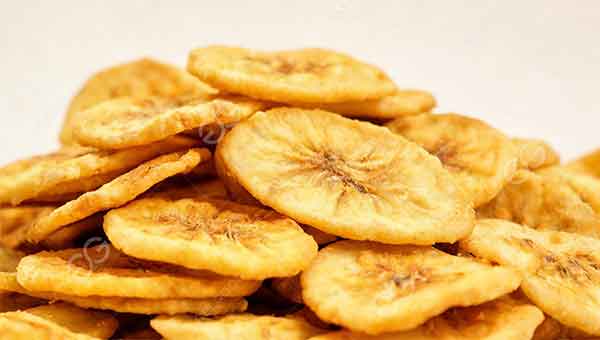
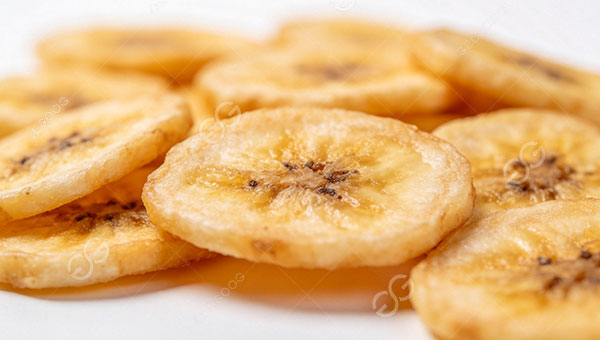
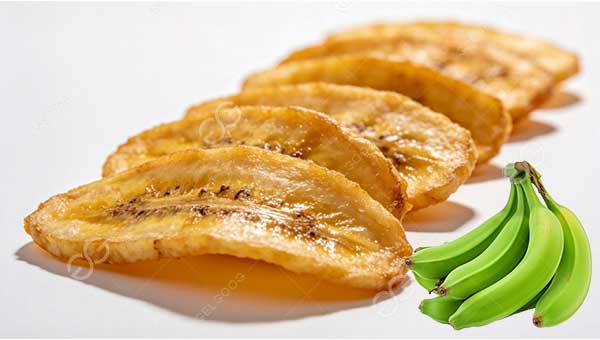
Introduction to Banana Chips Banana chips are a type of snack food made primarily from fresh bananas. They are characterized by their crispy texture, convenience, and ease of storage. Depending on the processing method and intended product positioning, banana chips can be categorized into various types, such as fried, dried, or freeze-dried. These different varieties offer distinct differences in texture, color, moisture content, and nutritional retention, catering to the diverse needs of various consumer groups. Banana chips serve not only as an everyday casual snack but also find applications in breakfast cereals, nut mixes, baked goods, and as food ingredients. As consumer demand for natural, convenient, and diverse snack options continues to grow, banana chips have evolved from a traditional local specialty into a processed food product with significant commercial…
Read More
Banana Flour Production Methods

Banana Flour Production Methods

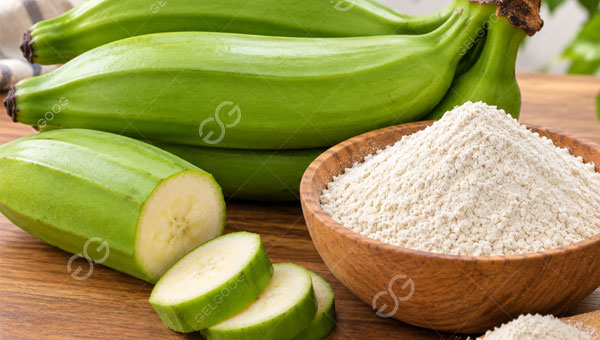
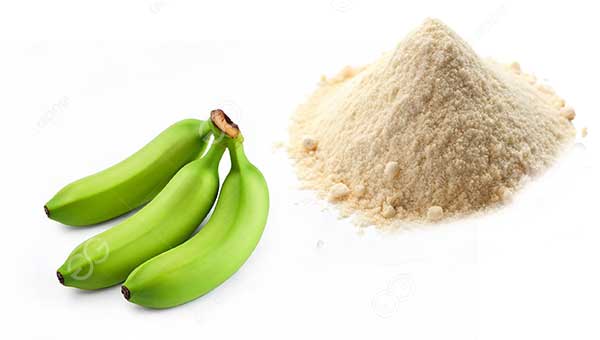
Banana powder is a plant based powdered product which is made from fresh bananas via a process of washing, peeling, slicing, drying and pulverising. So what are the banana flour production methods? We'll go through some of the more common methods of banana powder production below. The basic production process for banana powder is as follows: Selection of raw material → washing → peeling → slicing → colour preservation treatment → drying → pulverising → sieving → packaging. 1. Selection and Washing of Raw Materials Start with green bananas that are free from rot and any visible physical damage. The quality of the raw materials will have a direct bearing on the quality of the resulting banana flour. Put the bananas into a fruit washing machine (using water jets, air…
Read More
What Is The Process of Making Banana Chips?

What Is The Process of Making Banana Chips?

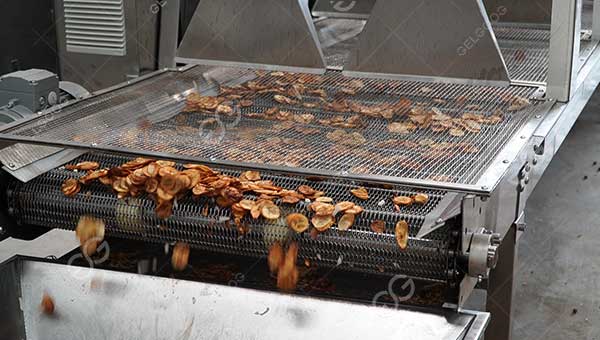
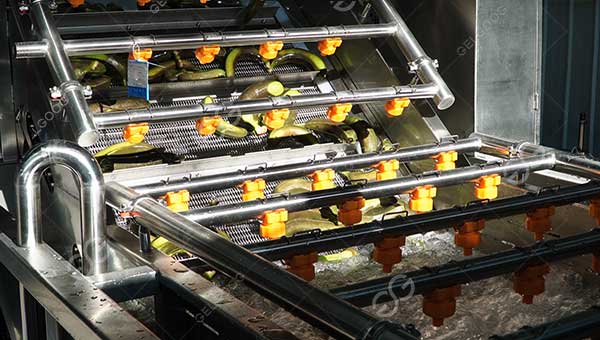
What's banana chips? Banana chips are made from fresh bananas which go through the process of washing, peeling, slicing, frying, de-oiling and packaging. The bananas are thermally processed to reduce their moisture content to varying degrees of crispness, with the resultant product retaining the banana's characteristic sweet flavour. What is the process of making banana chips? Fresh bananas→Raw material selection→Washing→Peeling→Slicing→Pre-treatment→Frying→De-oiling→Cooling→Seasoning (optional)→Packaging. The exact process can be tailored to the raw banana material, the requirements of the end product and the capacity of the plant. 1. Banana Washing The surface of the bananas can be quite dirty with soil, dust and all sorts of other stuff on them so a wash is required prior to peeling. In the industrial situation the correct washing equipment (water jets, spraying, mechanical washing etc) can…
Read More
Analysis of Banana Chips Frying Temperature

Analysis of Banana Chips Frying Temperature

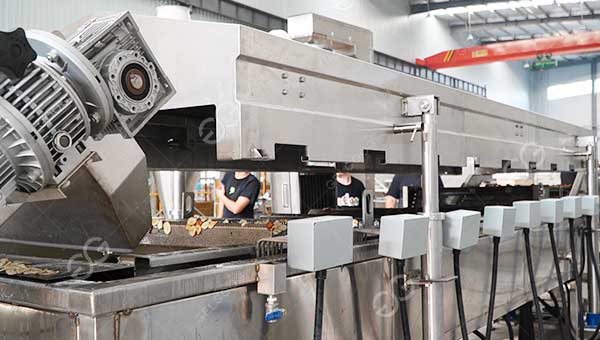
Banana chips are a common snack food made primarily from fresh bananas. The production process involves slicing, color preservation, frying, de-oiling, cooling, and packaging. The final product can have a texture that is either crispy or slightly chewy. Frying is a crucial step; it not only determines the product's texture but also directly influences the color, oil content, crispiness, and production efficiency of the banana chips. What is the banana chips frying temperature? In the production of banana chips, process testing can typically begin within an oil temperature range of 150–180°C. However, this is merely a general reference range and may not be applicable to all types of banana chips products. In actual production, adjustments should be made based on factors such as the thickness of the banana chips, their…
Read More
Effect of Packaging on Banana Chips Shelf Life

Effect of Packaging on Banana Chips Shelf Life

Banana chips: a popular, crispy snack. Banana chips are a type of snack made primarily from fresh bananas; through processing methods such as slicing, frying, or dehydration, they acquire a crispy texture and a sweet flavor. Depending on the processing technique, they can be categorized into varieties such as fried, dried, and freeze-dried banana chips, catering to diverse consumer needs and market segments. However, banana chips are susceptible to factors such as air, moisture, and temperature during storage and transportation. Absorbing moisture can cause them to lose their crisp texture, while lipid oxidation may lead to the development of off-flavors. Therefore, selecting appropriate packaging materials and methods is crucial for maintaining the quality of the banana chips. Packaging is an important step in the banana chips processing procedure: The processing of…
Read More
How Much Banana Is Required for 1kg of Banana Powder?

How Much Banana Is Required for 1kg of Banana Powder?

The finished product yield is a key concern for many clients planning to invest in banana powder processing projects; so, How much banana is required for 1kg of banana powder? Since fresh bananas have a high water content and undergo processing steps such as peeling, slicing, drying, milling, and sifting—each of which results in a change in weight—our engineers have determined, through multiple processing trials and production data analysis, that producing 1kg of banana powder typically requires approximately 7kg of fresh bananas. However, this figure is not absolute; actual yield is influenced by factors such as the banana variety, the ripeness of the raw material, the final moisture content, and losses incurred during production. Why does it take approximately 7 kg of bananas to produce 1 kg of banana powder?…
Read More
Banana Chips Making Business: Equipment, Preparation and Opportunities

Banana Chips Making Business: Equipment, Preparation and Opportunities

Bananas are a high-yield fruit with broad market appeal; however, fresh bananas ripen rapidly, posing challenges for post-harvest storage and transportation. For banana growers, agricultural processors, and food entrepreneurs, processing fresh bananas into banana chips offers a way to extend the utilization period of the raw material and diversify product offerings. Compared to simply selling fresh bananas, banana chip production enables the establishment of a comprehensive food business encompassing raw material sourcing, processing, seasoning, packaging, and distribution. Consequently, a banana chip business is suitable not only for food processing enterprises but also serves as a viable commercial model for deep processing of agricultural produce in banana-growing regions. Prospects of the Banana Chip Making Business The commercial value of banana chips stems primarily from the transformation of the product's form. While…
Read More
Built Plantain Chips Processing Plant in Colombia

Built Plantain Chips Processing Plant in Colombia

Colombia is a major producer of plantains in Latin America; these serve not only as a staple in the local diet but also hold significant value for processing and commercial use. For plantain growers, a key challenge in maximizing industry returns is how to handle large volumes of fresh fruit during peak harvest seasons, minimize raw material losses, and enhance product value-add. Recently, a plantain grower from Colombia inquired about production equipment for plantain chips, aiming to establish a processing plant to convert plantation-grown plantains into chips for distribution in local markets and through broader sales channels. The client owns plantain plantations and enjoys a stable supply of raw material. Under normal circumstances, the plantations provide a steady flow of fresh plantains to the market; however, the peak harvest season—which…
Read More
What Are the Steps Involved in Processing Bananas?

What Are the Steps Involved in Processing Bananas?

Bananas are highly versatile fruits; beyond being consumed fresh, they can undergo industrial processing to create a variety of products such as banana chips, banana powder, banana puree, and dried bananas. what are the steps involved in processing bananas? Since different products have varying requirements regarding the state of the raw material, moisture content, texture, color, and preservation method, the specific processes employed in actual production vary accordingly. For example, the production of banana chips focuses on slice thickness, the degree of dehydration, and the crispness of the final product; banana powder, on the other hand, requires further moisture reduction and the use of grinding and sieving processes to obtain a uniform powder. Consequently, banana processing lines are typically designed with equipment configurations tailored to the specific final product. The following are…
Read More
How Are Banana Chips Made Step by Step?

How Are Banana Chips Made Step by Step?

Fried banana chips are a snack food made primarily from fresh bananas through processes such as slicing, frying, de-oiling, and seasoning. Compared to fresh bananas, banana chips offer a crispy texture and rich flavor, and are easy to store and transport; they can be enjoyed as a standalone snack or used in nut mixes, breakfast cereals, baking ingredients, and snack assortments. So, how are banana chips made step by step? Factory processing steps for banana chips: 1. Peeling and sorting The bananas first undergo a peeling process; once peeled, they require further inspection to remove any remaining peel and any substandard sections. 2. Banana Slicing The prepared bananas are processed through a slicer into slices of uniform thickness. The slice thickness directly affects the frying speed, final crispness, and product…
Read More