Introduction to Plantain flour:
Plantain flour is a natural plant flour made primarily from unripe plantains through processes such as washing, peeling, slicing, drying, and grinding. Plantain flour is typically light yellow or milky white, has a natural fruity aroma, and is rich in carbohydrates, dietary fiber, potassium, magnesium, and various vitamins, making it a highly nutritious natural food ingredient.
In many tropical and subtropical regions, such as Africa, Southeast Asia, and Latin America, plantains are an important food crop. However, fresh plantains have a short shelf life and are prone to spoilage or rotting during transportation and storage. Therefore, processing plantains into plantain flour can not only extend their shelf life but also increase the added value of the product and reduce agricultural waste. In addition, plantain flour is small in volume and lightweight, making it easy to package, transport, and store for long periods, which is ideal for large-scale production and international trade.
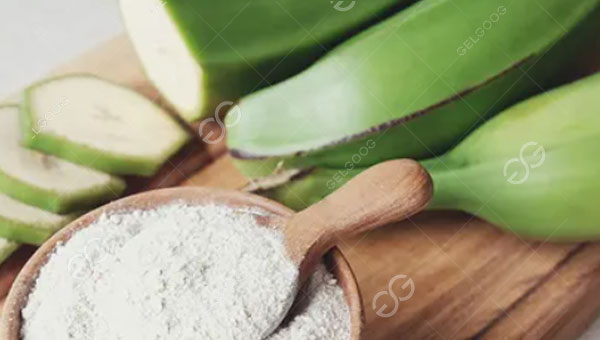
Uses of Plantain flour:
Plantain flour has a wide range of uses, primarily in food processing, nutritional supplements, and industrial applications.
Firstly, in food processing, plantain flour can be used as a natural food ingredient in various food products. For example, in the baking industry, plantain flour can partially replace wheat flour in the production of bread, cakes, cookies, and pancakes. Due to its natural aroma and high starch content, plantain flour can improve the taste and nutritional value of food. Furthermore, for those following a gluten-free diet, plantain flour is an ideal alternative ingredient.
Secondly, plantain flour is often used in the production of infant food and nutritional supplements. Because plantain flour is easily digested and absorbed, and is rich in energy and minerals, it is used as a raw material for baby food or nutritional flours in many countries.
Third, plantain flour can also be used in the food industry as a thickener or stabilizer. For example, in soup bases, sauces, seasoning flours, and instant foods, plantain flour can improve the consistency and texture of the products, making them smoother and more delicate. It can also enhance the nutritional value of the products.
In addition, plantain flour also has applications in the beverage industry. Mixing plantain flour with milk, yogurt, or fruit juice can create nutritious drinks or meal replacement beverages.
Plantain flour Processing Equipment:
To achieve large-scale production, plantain flour is typically processed using automated or semi-automated production lines. The production process usually begins with washing the raw plantains and ends with pulverizing the dried plantains, ultimately yielding fine plantain flour.